KNIGHTS
The panel known as that of the Knights commemorates the participation of the international (Burgundian) Chivalry in the campaign for the founding of the Fifth Empire.
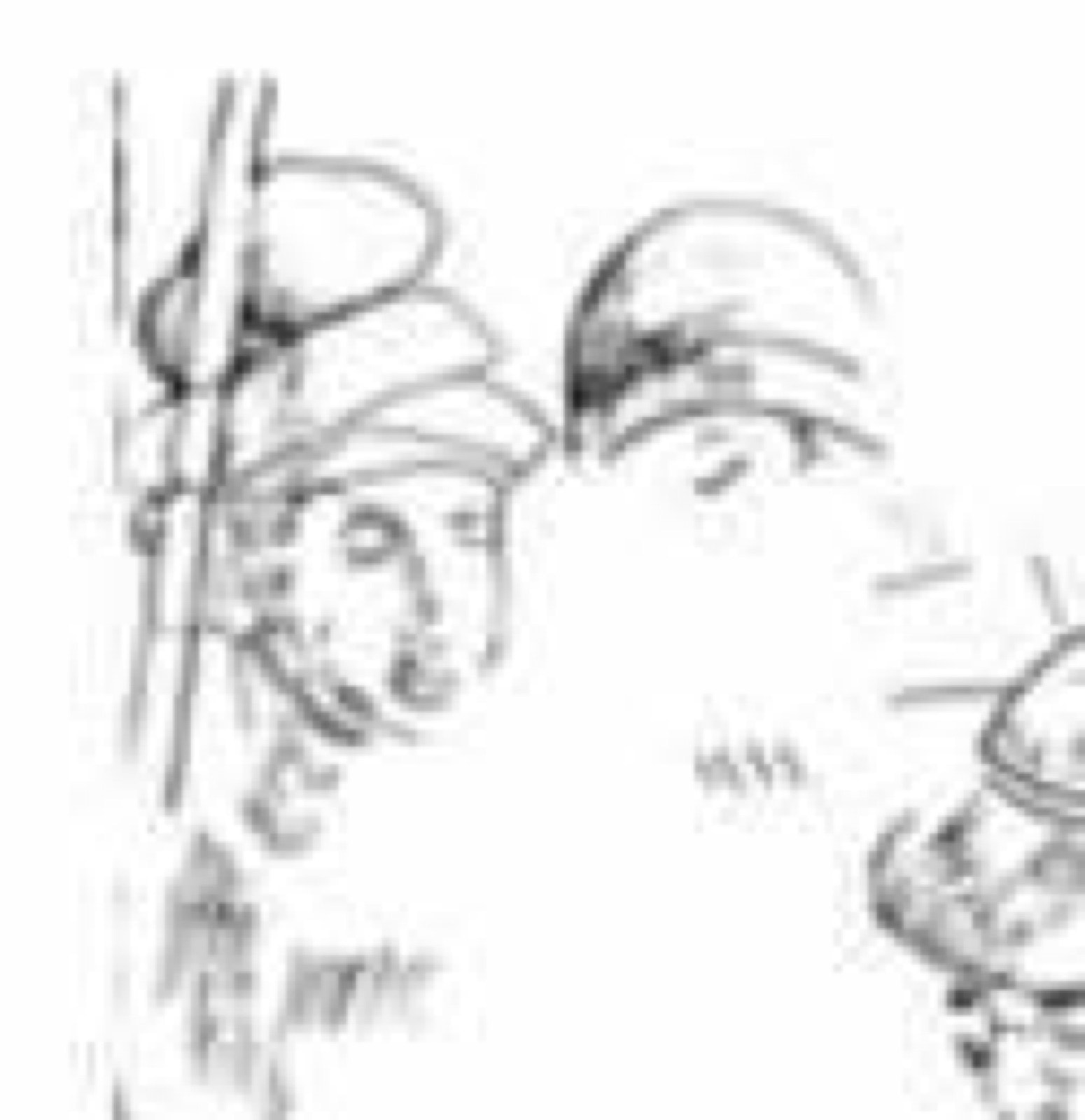
The underdrawing reveals successive alterations made to attain the desired result.
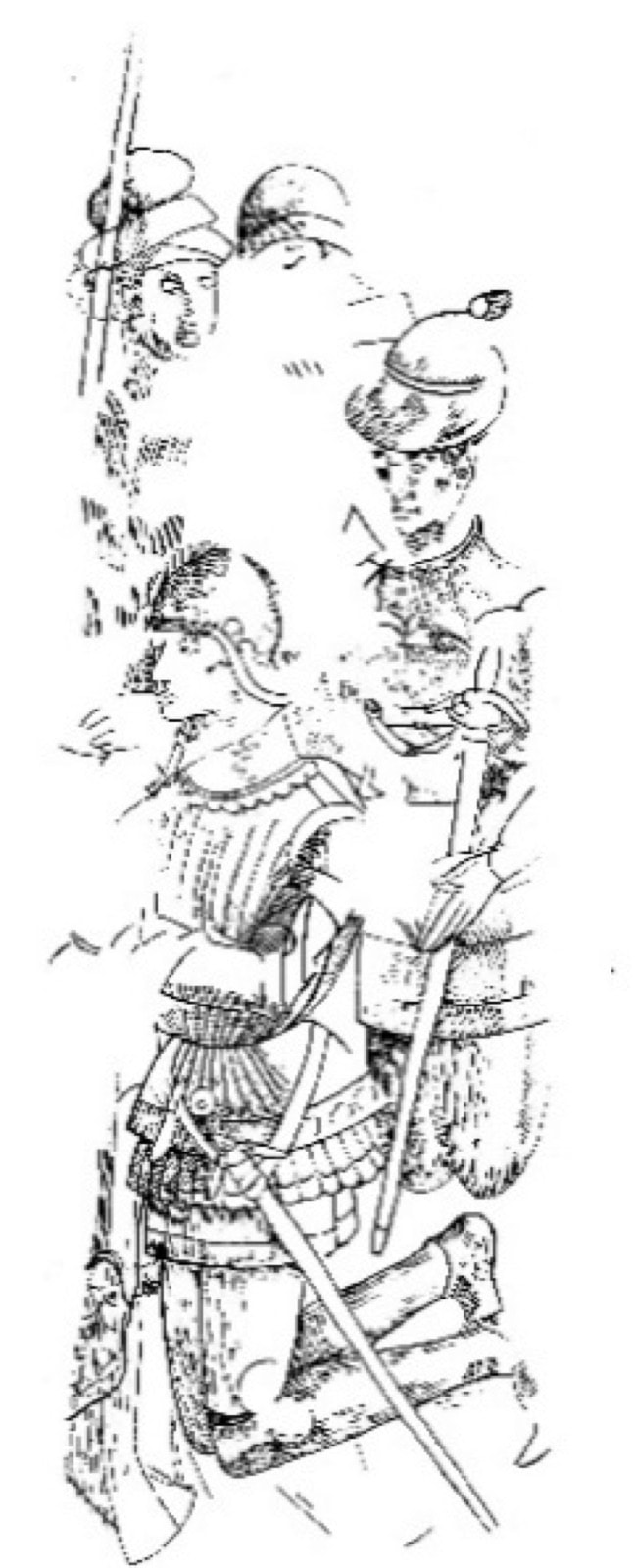
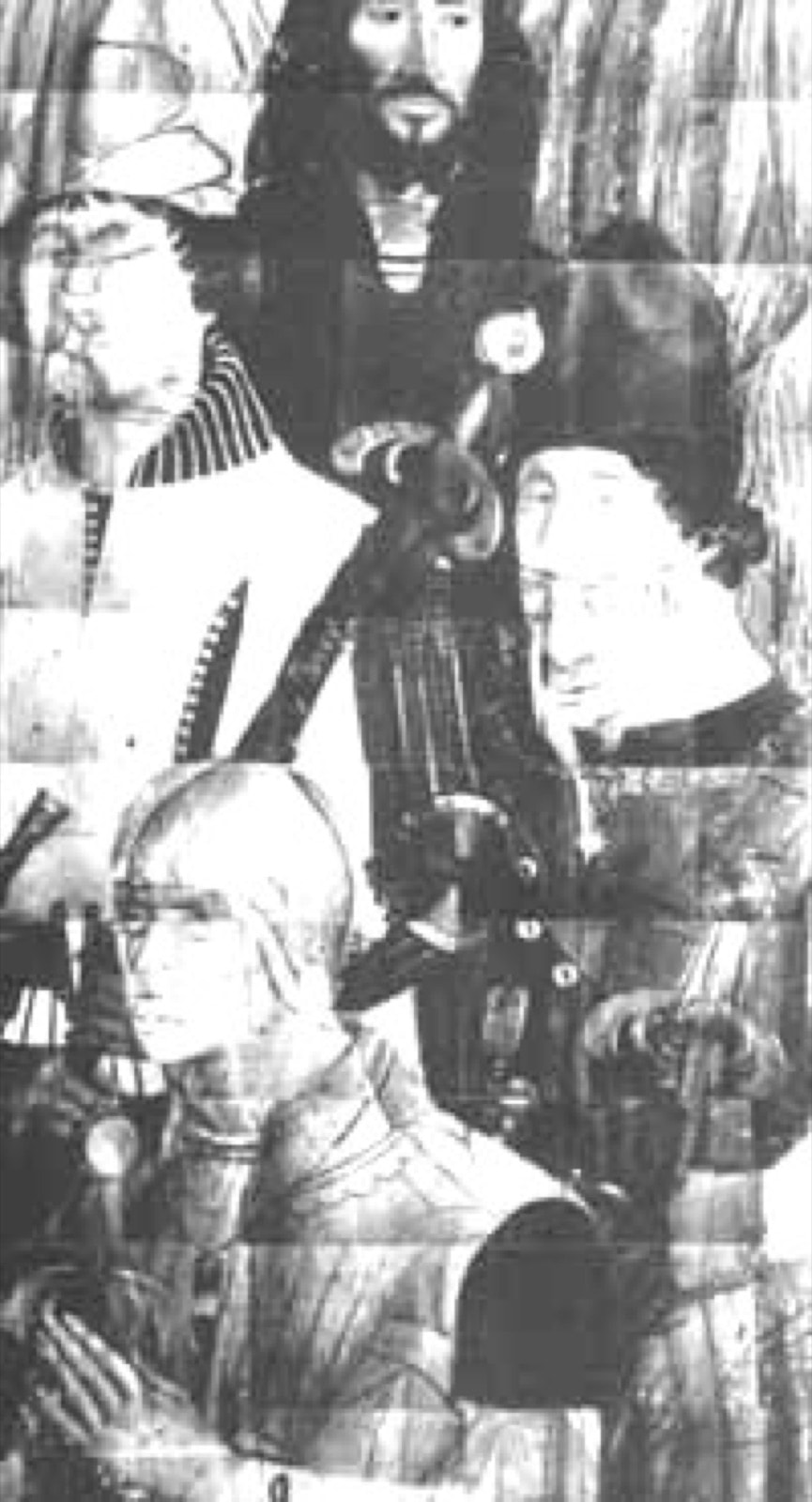
The attire of the four knights is entirely distinct, each knight wearing a different colour (purple, green, red, black), there being not even two caps of the same colour.
Their swords are decorated with threads of different colour: gold for the green knight, silver for the red, black for the purple.
Each knight wears peculiar accessories that distinguish him from the others beyond doubt: a pearl and a broken cross hanging from the neck, of the green and purple knights respectively; a unique helmet on the head of the one in black, a small purse hanging from the belt of the one in red.
Two of the knights present display, at the neck, objects difficult to explain, yet with flagrant symbolic connotations.
The green and purple knights have in common not only the rarity of the jewels they wear at the neck. Both also possess unusual and symbolic belts: the purple knight has the belt (unfastened) wound around the scabbard. The green knight wears two belts – the buckle of the first is seen marginally near his hand, and therefore the belt he wears slung across the shoulder is, possibly, the one that bears the sword.
Since the panel of the Knights is one of those that show no trace whatsoever of lateral trimming, the disappearance of the straps supporting the scabbard at the edge of the panel was intentional.
The red knight too, like the one who kneels before Charles the Bold (in the adjacent panel of the Temporal Power), displays belts clearly wound around their respective swords.
In the Polyptych there are depicted seven swords of the “crab” type, owing to the form that the double guard assumes next to the grip.
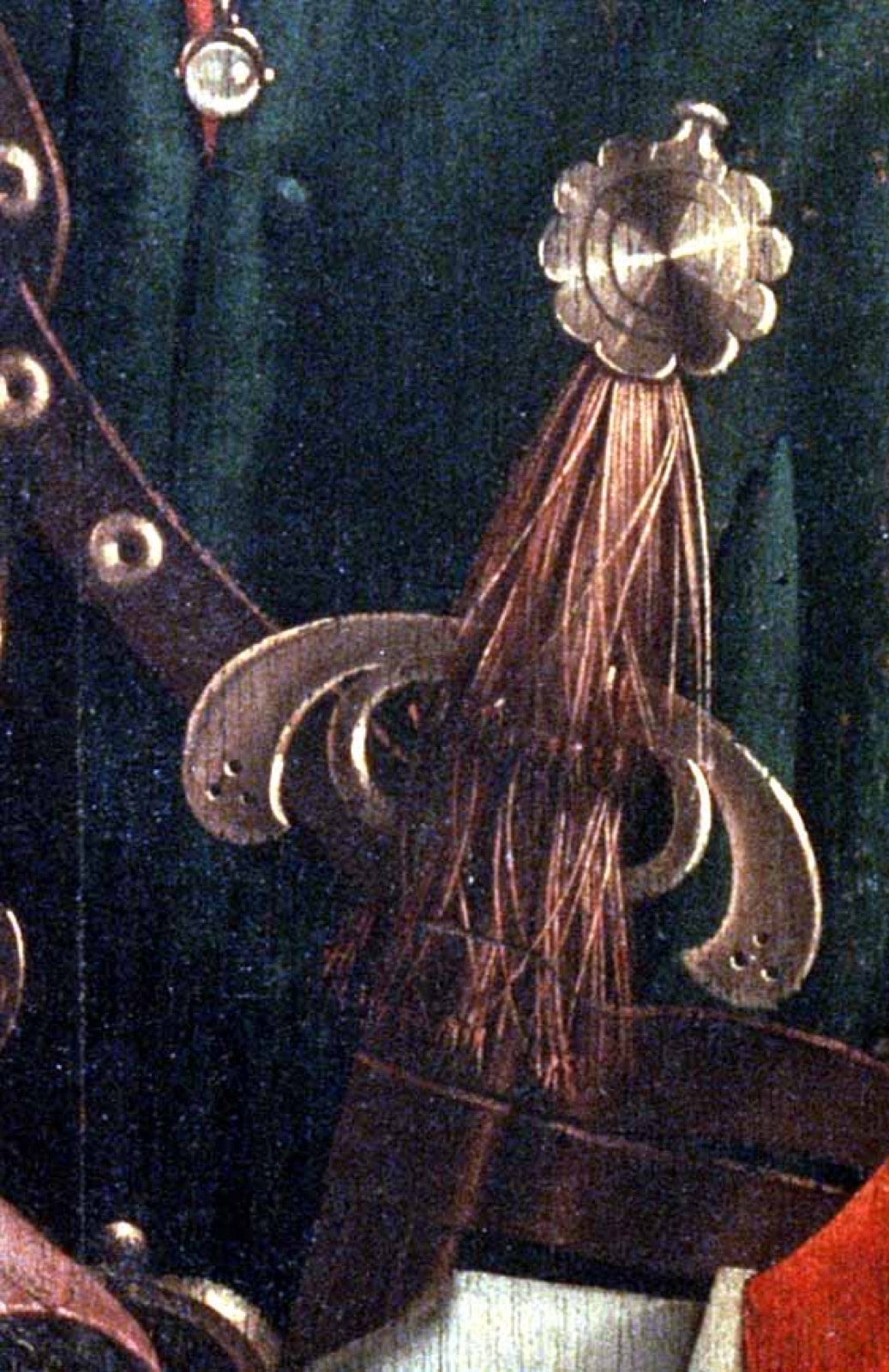
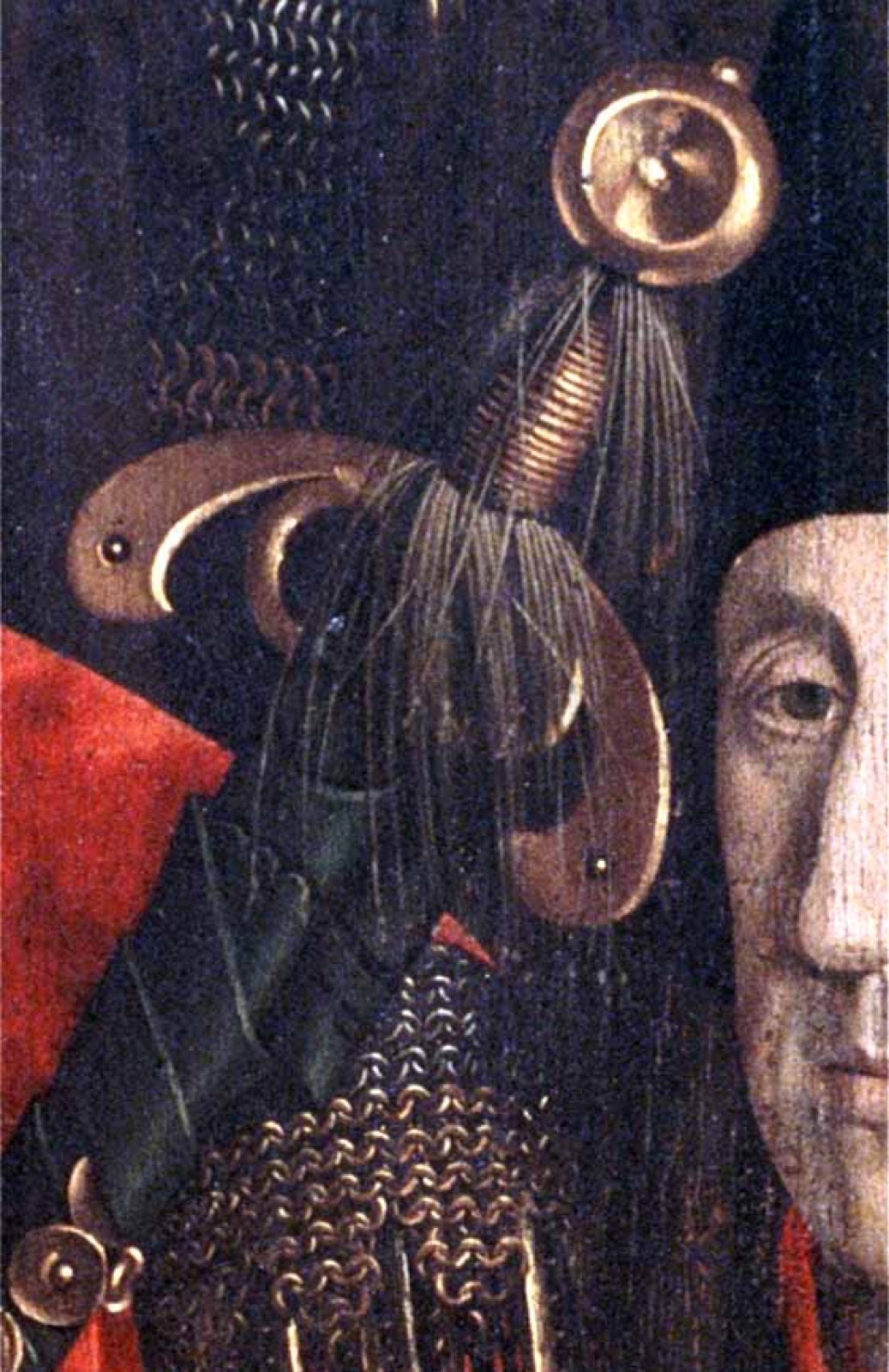
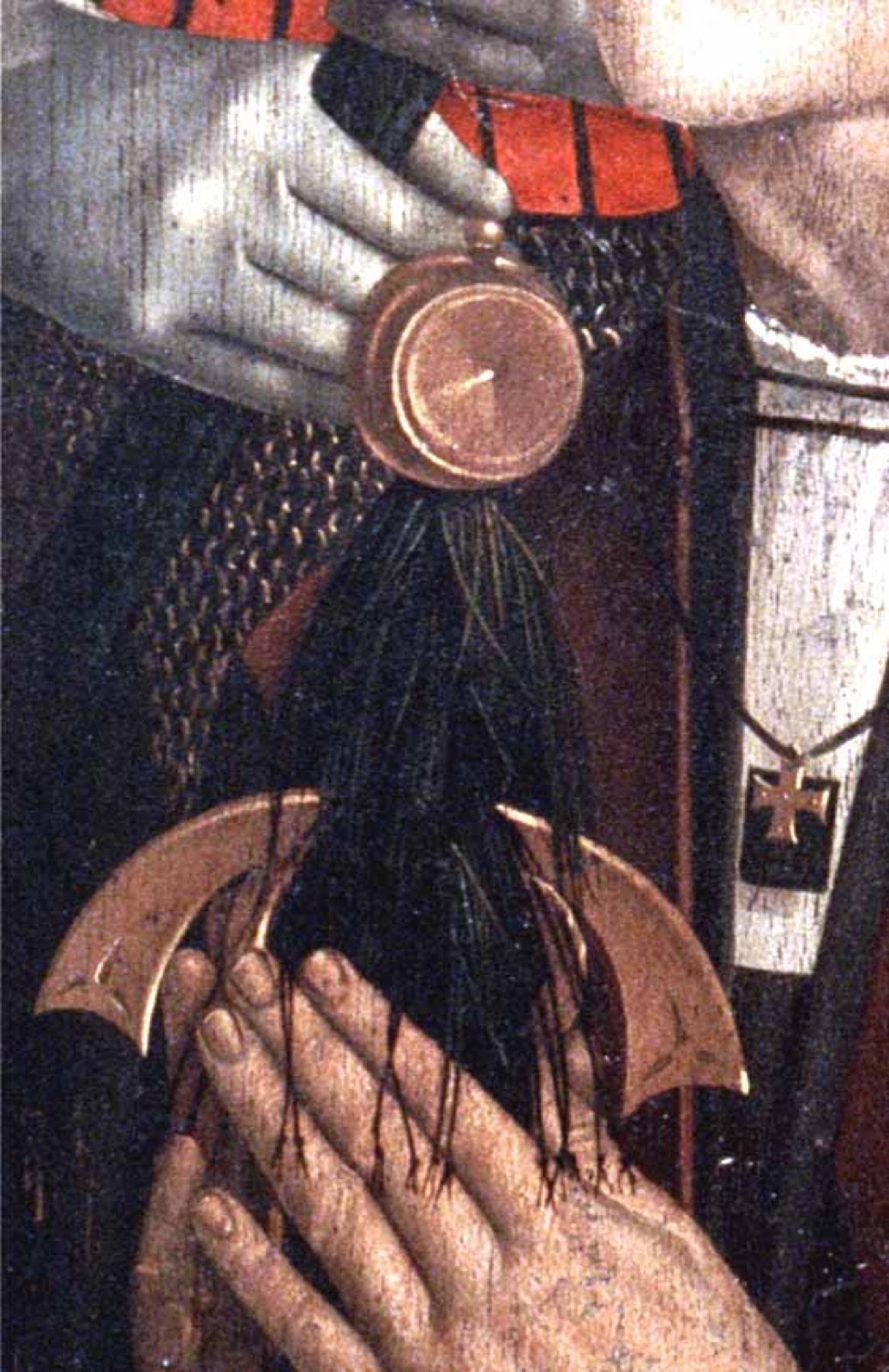
Six of them are flat, the type most used at the time, with small decorative elements, the seventh being the one, in miniature, that the Child holds, rounded, with the points of the guards in the form of small spheres. Most probably this was forged exclusively for the young one, given its diminutive size, and therefore presents the latest technical innovations, of which the new form of guard is an example.
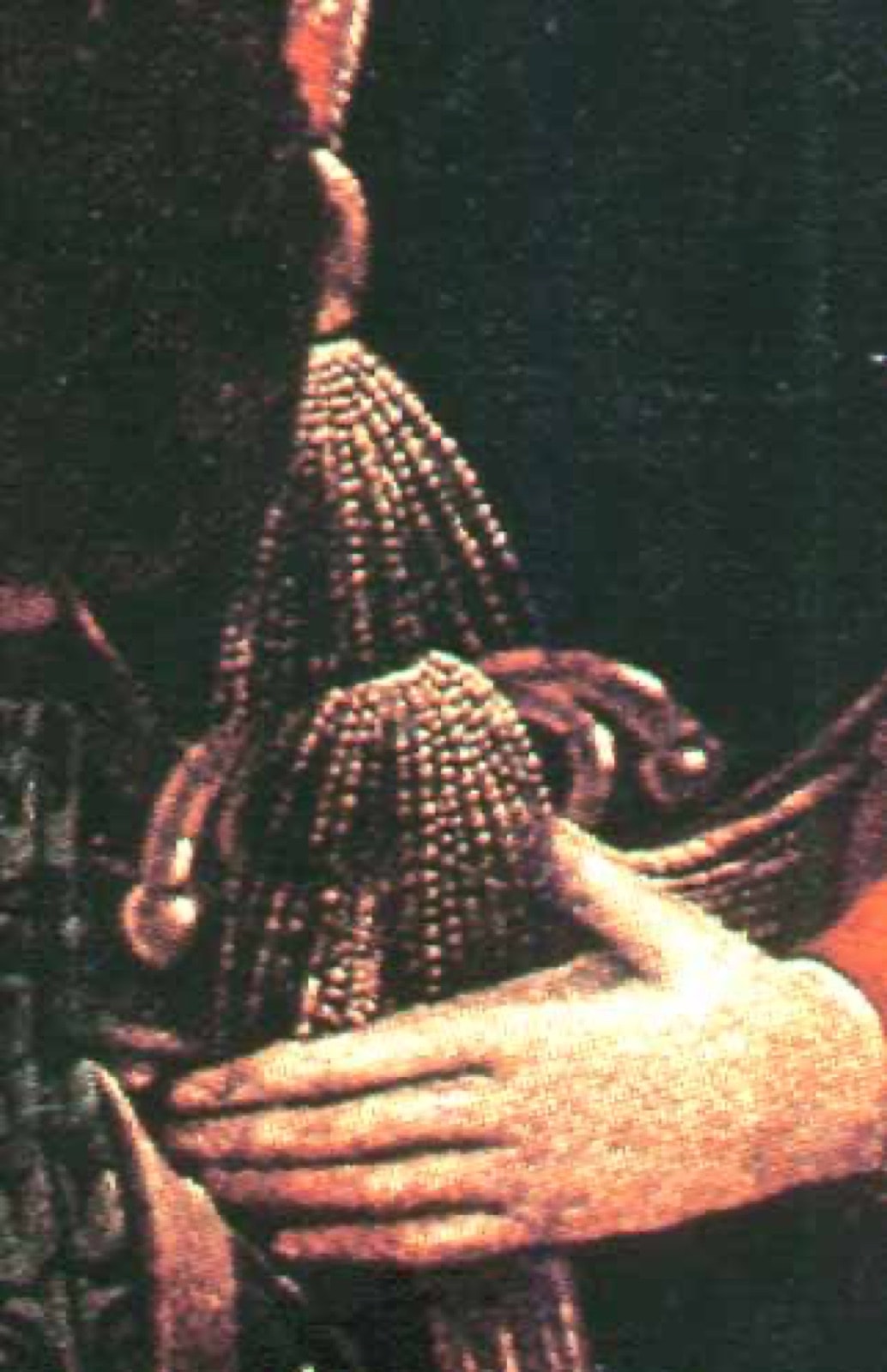
The red knight holds the sword by the scabbard; might he, with this unusual manner of grasping the weapon, be making manifest the way in which he was bound to the sword, or the sword bound to him, and indicating his belonging to the Order of the Sword?
The strangest piece of military equipment in the Polyptych, since it resembles none of the models that were in use at the time, is the helmet of the knight dressed in black, also characterised by his beard and long hair.
Its resemblance to a type of helmet used by Muslims has already been suggested, hence the scarcely plausible identification of this knight with a “Moorish figure” or with an “Azanaghi warrior”, associated with the campaigns in the Maghreb.
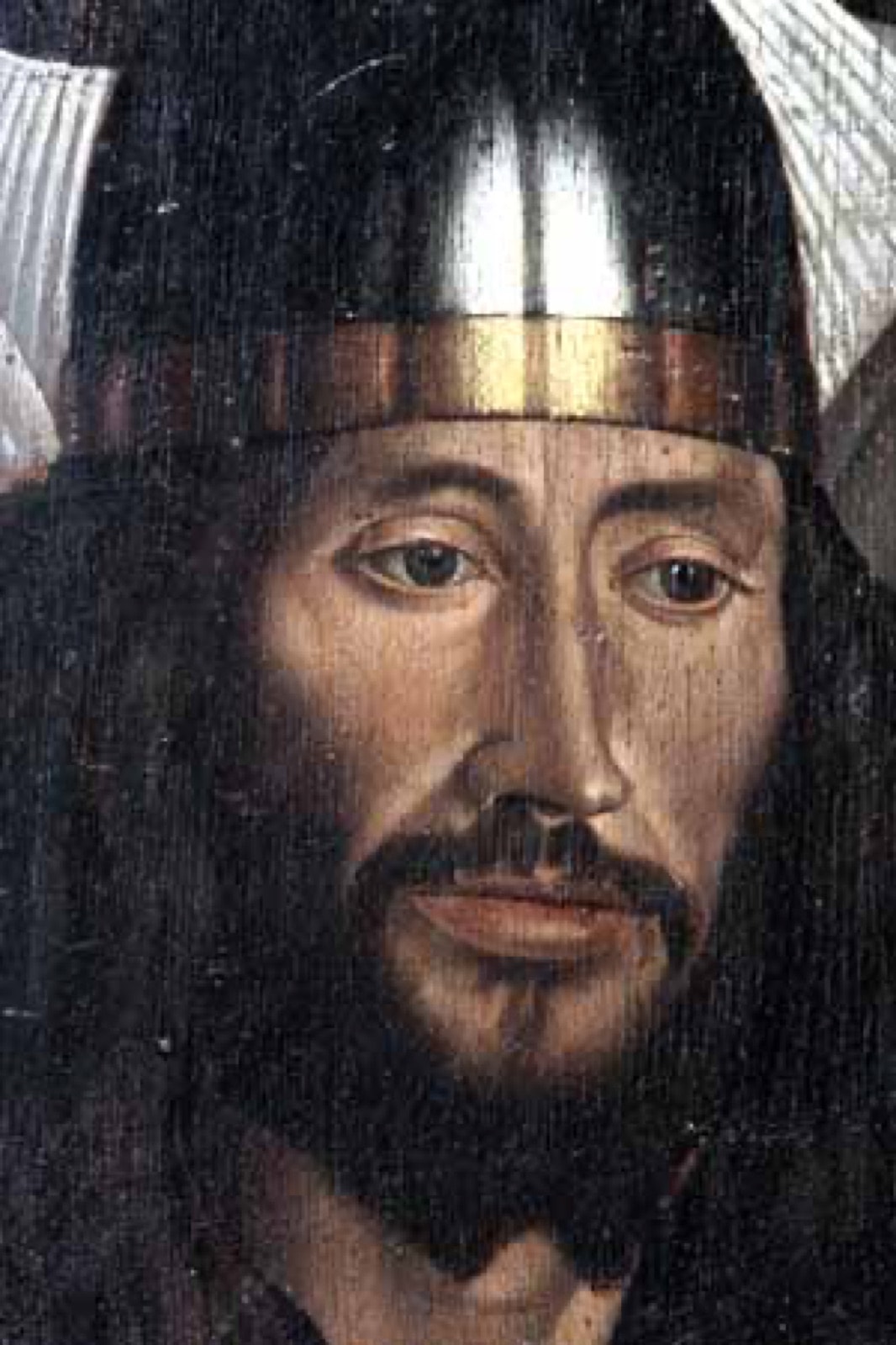
Despite the simplicity of its form, it presents some features that merit mention: it has several indentations in the gilded rim, which indicates that it is not an object devoid of value, and it reflects a luminous patch in the form of a window with a central column and double arcade, already identified with the window of the Tower of Asilah, which has survived to the present day.
In this case too we may be in the presence of an emblematic object symbolically associated with the figure, doubtless important and presumably recognisable to his contemporaries.